
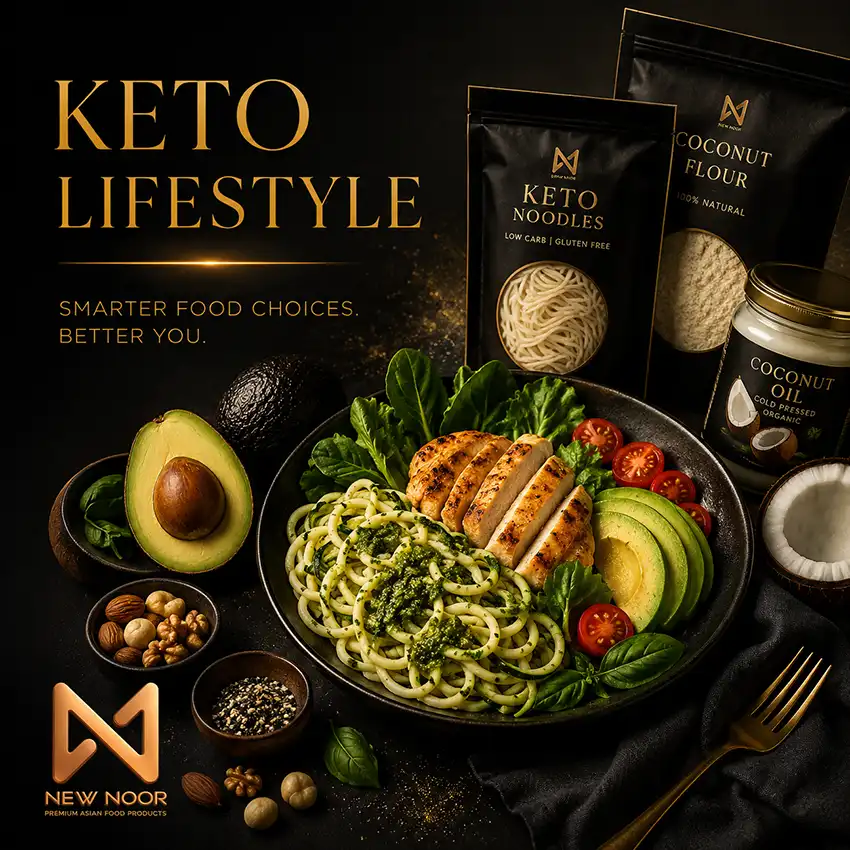
What Is the Keto Diet? How It Works, Foods and Key Considerations
The ketogenic diet, commonly known as keto, has become one of the most discussed
eating patterns in recent years. It is often associated with reducing carbohydrates,
increasing fat intake and encouraging the body to use a different source of energy.
However, keto involves more than removing bread, rice or sugar from meals.
It is a structured dietary approach that can significantly change food choices,
meal planning and the way the body produces energy.
This guide explains what the keto diet is, how nutritional ketosis works,
which foods are commonly included or limited, and what health and lifestyle
considerations should be reviewed before making a major dietary change.
What Does Keto Mean?
The word keto is short for ketogenic.
It refers to an eating pattern intended to increase the production of ketones
in the body.
Under ordinary conditions, the body receives much of its energy from glucose.
Glucose mainly comes from carbohydrate-containing foods such as bread, rice,
pasta, fruit, grains, sweets and starchy vegetables.
When carbohydrate intake is substantially reduced, the body has less glucose
readily available. The liver then begins converting fatty acids into compounds
known as ketone bodies.
These ketones can be used by the brain, muscles and other tissues as an
alternative energy source. This metabolic state is known as
nutritional ketosis.
[1]
A typical ketogenic eating pattern is:
- Very low in carbohydrates
- Relatively high in fat
- Moderate in protein
- Carefully planned around suitable ingredients
- More restrictive than a general low-carbohydrate diet
Many lifestyle-focused keto plans limit carbohydrate intake to approximately
20 to 50 grams per day. The exact amount can vary according to the individual,
the type of ketogenic plan and its intended purpose.
[1]
How Does Nutritional Ketosis Work?
Carbohydrates are normally broken down into glucose. The body can use this
glucose immediately or store part of it as glycogen in the liver and muscles.
When carbohydrate intake remains very low, glycogen availability gradually
decreases. The body begins breaking down more stored and dietary fat, while
the liver produces ketones such as:
- Beta-hydroxybutyrate
- Acetoacetate
- Acetone
Reaching nutritional ketosis does not happen instantly. The transition may
take several days and can be affected by carbohydrate intake, physical activity,
metabolism, medication and previous eating habits.
Nutritional Ketosis and Diabetic Ketoacidosis Are Different
Nutritional ketosis is a controlled metabolic response to carbohydrate
restriction. Diabetic ketoacidosis, commonly called DKA, is a serious medical
emergency involving excessive ketone production, blood acidity and usually
insufficient insulin.
[2]
People with diabetes, particularly those using insulin or certain
glucose-lowering medications, should seek medical guidance before making
substantial changes to carbohydrate intake.
Keto Compared With a Low-Carbohydrate Diet
Keto and low-carbohydrate diets are related, but they are not always identical.
Low-Carbohydrate Diet
A low-carbohydrate diet reduces carbohydrate intake but may still include
moderate portions of fruit, legumes, whole grains or starchy vegetables.
Its main objective is usually to reduce overall carbohydrate consumption.
Ketogenic Diet
A ketogenic diet restricts carbohydrates more significantly, with the specific
aim of encouraging consistent ketone production and nutritional ketosis.
| Eating Pattern | Carbohydrate Level | Primary Focus |
|---|---|---|
| Balanced diet | Moderate to high | General nutritional balance |
| Low-carbohydrate diet | Lower than standard intake | Reducing carbohydrate consumption |
| Ketogenic diet | Usually very low | Supporting nutritional ketosis |
| Medical ketogenic diet | Precisely calculated | Clinical use under professional supervision |
What Foods Are Commonly Included in a Keto Diet?
A thoughtfully planned keto diet should not consist only of meat, butter
and cheese. Food quality, fibre, micronutrients and fat quality remain important.
Non-Starchy Vegetables
Non-starchy vegetables provide fibre, vitamins, minerals and volume while
generally containing fewer carbohydrates than grains or starchy vegetables.
- Spinach and leafy greens
- Lettuce
- Cucumber
- Courgette
- Broccoli
- Cauliflower
- Cabbage
- Mushrooms
- Green beans
- Peppers
Protein Sources
Protein is generally included in moderate amounts rather than treated
as unlimited.
- Eggs
- Fish and seafood
- Chicken and turkey
- Beef and lamb
- Tofu and selected plant proteins
- Unsweetened dairy products
Fat Sources
A more balanced keto plan tends to prioritise unsaturated fats rather than
relying primarily on processed meats or large quantities of butter.
- Olive oil
- Avocado
- Olives
- Nuts
- Seeds
- Tahini
- Fatty fish
- Unsweetened nut butter
Specialty Keto and Low-Carbohydrate Products
Depending on their ingredients and nutrition information, specialty products
may include:
- Low-carbohydrate noodles
- Unsweetened coconut milk
- Coconut oil
- Sugar-free sauces
- Alternative flours
- Nut-based snacks
- Low-carbohydrate baking ingredients
- Unsweetened beverages
A product described as “keto” or “low carb” on the front of its packaging
should still be evaluated through its full ingredient list, serving size
and nutrition panel.
What Foods Are Commonly Limited?
Foods are generally limited because their carbohydrate content can quickly
exceed the daily target of a ketogenic plan. This does not mean these foods
are unsuitable for every person or every dietary approach.
Sugary Foods and Drinks
- Soft drinks
- Sweetened juices
- Cakes and biscuits
- Sweets and desserts
- Sweetened coffee drinks
Grains and Grain-Based Foods
- Bread
- Traditional pasta
- Rice
- Breakfast cereals
- Traditional noodles
- Flour-based pastries
Starchy Vegetables
- Potatoes
- Sweet potatoes
- Corn
- Cassava
- Large portions of peas
Higher-Carbohydrate Fruits
Strict keto plans may limit fruits such as bananas, grapes, mangoes,
pineapple and dates. Smaller portions of berries may fit some plans.
Legumes
Beans, lentils and chickpeas are nutritious foods, but their carbohydrate
content can make them difficult to include in a strict ketogenic plan.
How to Evaluate a Keto Food Product
Packaging claims can simplify complex nutrition information. Terms such as
“sugar-free,” “high protein” or “keto-friendly” should not replace a careful
review of the label.
Check the Serving Size
Nutrition values may apply to a smaller portion than the amount normally eaten.
A package can also contain more than one serving.
Review Total Carbohydrate
Check the carbohydrate content of the actual portion you intend to consume,
rather than relying only on marketing statements.
Look at Fibre Content
Fibre supports digestive health and can influence how some keto plans calculate
usable carbohydrates.
Check for Added Sugars and Starches
A sugar-free product may still contain starches, flour, syrups or other
carbohydrate-containing ingredients.
Consider the Quality of Fats
Products containing olive oil, nuts, seeds and other unsaturated fat sources
may offer a different nutritional profile from products dominated by heavily
processed or saturated fats.
Review the Ingredient Order
Ingredients are generally listed by weight. Ingredients appearing near the
beginning of the list are present in larger amounts.
What Are the Possible Benefits of Keto?
The strongest established medical use of the ketogenic diet is in the
management of certain forms of drug-resistant epilepsy under professional
supervision.
[1]
Research has also examined keto in relation to weight management,
blood-glucose control and metabolic health. Depending on the individual,
short-term outcomes may include:
- Weight reduction
- Reduced appetite for some people
- Lower triglyceride levels in certain cases
- Changes in blood-glucose control
- Changes in insulin sensitivity
These outcomes are not guaranteed, and research findings differ between
populations, study designs and versions of the ketogenic diet.
Long-term results often depend on food quality, total energy intake,
medical circumstances and whether the eating pattern can be maintained.
Possible Side Effects and Important Considerations
During the transition to a very-low-carbohydrate intake, some people experience
temporary symptoms sometimes described informally as the “keto flu.”
- Headache
- Tiredness
- Dizziness
- Nausea
- Constipation or diarrhoea
- Bad breath
- Reduced exercise performance
- Difficulty concentrating
Changes in fluid balance, electrolytes, fibre intake and food variety may
contribute to these symptoms.
Longer-Term Considerations
- Inadequate fibre intake
- Nutrient deficiencies
- Digestive discomfort
- Difficulty maintaining food restrictions
- Kidney stones in vulnerable individuals
- Changes in blood cholesterol
- Unhealthy anxiety or rigidity around food
Cholesterol responses can vary considerably. Some people experience improved
triglyceride or HDL levels, while others may experience an increase in total
or LDL cholesterol.
[3]
Who Should Seek Professional Guidance?
Medical or dietetic guidance is especially important for people who:
- Have type 1 or type 2 diabetes
- Use insulin or blood-glucose-lowering medication
- Use an SGLT2 inhibitor medication
- Have kidney, liver, pancreatic or gallbladder disease
- Are pregnant, planning pregnancy or breastfeeding
- Have a history of an eating disorder
- Have a known fat-metabolism disorder
- Are under 18 years of age
- Are using keto to manage a diagnosed medical condition
A healthcare professional can review medication, medical history,
cholesterol, kidney and liver function, nutritional requirements and
other individual factors before a substantial dietary change is made.
Points to Consider Before Starting
Clarify the Purpose
Consider whether the goal is weight management, blood-glucose control,
personal preference or the management of a diagnosed condition.
Different goals require different levels of planning and supervision.
Review Food Quality
Reducing carbohydrates does not automatically create a nutritionally
balanced diet. Prioritise vegetables, suitable protein sources,
unsaturated fats, hydration and adequate fibre.
Reduce Refined Carbohydrates First
For some people, reducing sweetened drinks, sweets, refined flour
and heavily processed snacks may be a more practical first change
than immediately adopting a highly restrictive plan.
Plan Meals and Ingredients
Meal planning can reduce repetitive choices and make it easier to maintain
appropriate vegetables, protein, fats and hydration.
Monitor Physical Responses
Persistent weakness, vomiting, confusion, severe abdominal symptoms,
dehydration or abnormal blood-glucose readings require medical attention.
Review the Approach Over Time
Dietary needs can change. Some people may eventually move from strict keto
to a broader low-carbohydrate or balanced eating pattern.
Example of a Keto-Style Day
The following menu is a general educational example and is not an individual
nutrition prescription.
Breakfast
Eggs with spinach and mushrooms, served with avocado and unsweetened tea.
Lunch
Grilled salmon with leafy greens, cucumber, olives and an olive-oil dressing.
Snack
A small portion of walnuts, almonds or unsweetened full-fat yoghurt.
Dinner
Roasted chicken with cauliflower, broccoli and a herb-based sauce
without added sugar.
Beverages
Water, sparkling water, black coffee or unsweetened tea.
Common Mistakes to Avoid
Removing Too Many Vegetables
Carbohydrate restriction should not automatically remove all plant foods.
Suitable vegetables provide fibre and important micronutrients.
Treating Protein as Unlimited
Keto is generally moderate in protein and is not necessarily a
very-high-protein eating pattern.
Relying Mainly on Saturated Fat
A menu dominated by butter, processed meat and large quantities of cheese
may affect cholesterol differently from a plan containing olive oil,
fish, nuts, seeds and avocado.
Ignoring Hydration
Changes in fluid balance can contribute to headaches, tiredness and dizziness.
Trusting Every Keto Marketing Claim
Product suitability should be determined through ingredients, serving size
and nutrition information rather than the front label alone.
Following Unverified Social-Media Plans
Energy, protein, medication and nutrient requirements differ between people.
A plan created for one person may not be appropriate for another.
Frequently Asked Questions
How Many Carbohydrates Are Usually Included in Keto?
Many ketogenic plans use approximately 20 to 50 grams of carbohydrates
per day, although the suitable amount varies according to the individual
and the purpose of the diet.
[1]
How Long Does It Take to Reach Ketosis?
It may take several days. The timing can be influenced by carbohydrate intake,
metabolism, physical activity and previous eating habits.
Is Keto Only Used for Weight Management?
No. The ketogenic diet has an established clinical role in certain forms
of epilepsy. Its use for weight and metabolic goals is broader and should
be assessed individually.
Can Fruit Be Included?
Strict ketogenic plans often limit fruit because of its carbohydrate content.
Small portions of berries may fit some plans.
Can Keto Affect Cholesterol?
Yes. The response varies. Some people may experience favourable changes,
while others can experience an increase in LDL or total cholesterol.
Are Specialty Keto Products Essential?
No. A ketogenic eating pattern can be based largely on whole foods.
Specialty products may offer convenience, variety or alternatives to
traditionally high-carbohydrate ingredients.
Final Thoughts
The ketogenic diet is a structured and restrictive eating pattern,
not simply a trend involving more fat and fewer sweets.
Understanding how it works makes it easier to evaluate food choices,
product labels, potential benefits and possible limitations without
relying on exaggerated claims.
The suitability of keto depends on health status, medication, lifestyle,
dietary preferences, food access and the ability to maintain nutritional
quality over time.
New Noor is developing educational resources around keto, low-carbohydrate,
organic and specialty food categories. The objective is to help consumers
and food businesses understand unfamiliar ingredients and products before
making sourcing or purchasing decisions.